

Kenya Power attributed the nationwide blackout experienced on the night of Wednesday, July 29, to a technical disturbance in the national grid. The power distributor confirmed that power had been restored in most parts of the country by early Thursday morning, July 30.
In a notice shared with Kenyans.co.ke, Kenya Power stated that supply had been fully restored to all affected customers by 2am after fixing the technical issue. “We are pleased to report that power supply was fully restored to all affected customers by 2:00am today,” the company noted.
Understanding the National Grid
The national grid is a network for delivering electricity from power producers to consumers, consisting of power stations, high-voltage transmission lines, and local distribution substations. It is coordinated from the Kenya Power National Control Center in Nairobi, though a new National System Control Centre is under construction in Embakasi, alongside an existing backup facility stationed at the Coast to ensure continuity.
Major generation hubs anchor the network:
Olkaria geothermal fields near Naivasha supply a significant share of daily electricity.
Seven Forks hydro stations along the Tana River—including Masinga, Kamburu, Gitaru, Kindaruma, and Kiambere—add vital hydroelectric capacity.
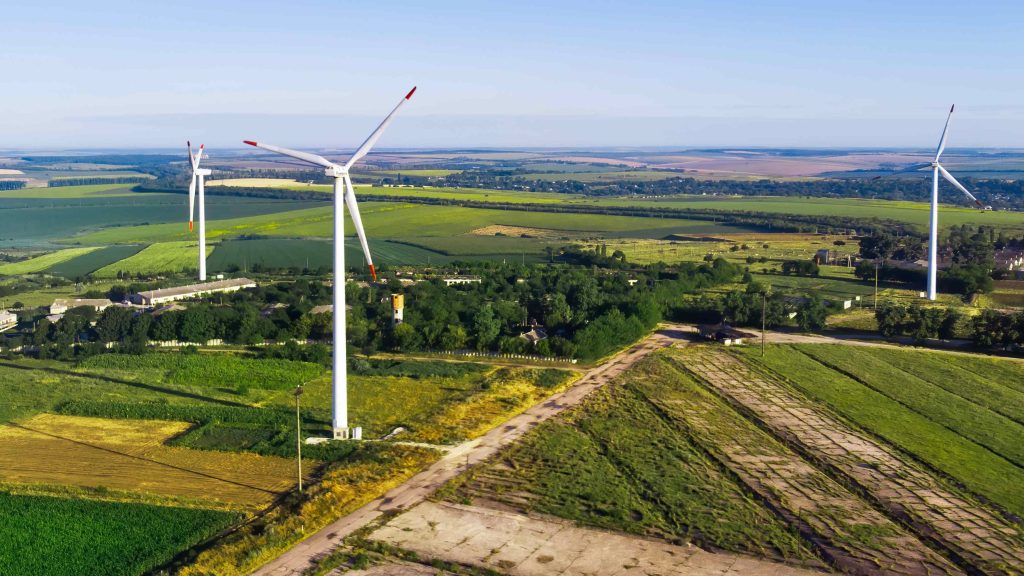
Lake Turkana Wind Power project in Marsabit channels clean energy southward.
Critical aspects of this grid keep power moving consistently, chief among them the Suswa Substation (roughly 80 kilometers northwest of Nairobi and the country’s largest switching station), which links Olkaria, Lake Turkana, and regional interconnectors, alongside the Juja Substation, where geothermal and hydro power converge to serve the capital.
How the Outage Unfolded
The power outage escalated heavily around 9pm on Wednesday, July 29, plunging Nairobi, the Coast region, Mt. Kenya, and most parts of the Rift into darkness.
Notably, regions in the North Rift Valley—such as Turkana, West Pokot, Trans Nzoia, Uasin Gishu, Elgeyo Marakwet, Nandi, and Baringo—and Western Kenya regions like Kitale, Eldoret, and Kapenguria were largely spared, remaining fully on supply even as other parts of the country went dark.
Phased Restoration and Economic Impact
The restoration happened in structured phases:
10:11pm: Kenya Power confirmed that its engineers managed to energize the Lanet, Naivasha, and Juja Road substations, offering the first sign of relief. “Lanet, Naivasha and Juja Road substations have been energised, thus some customers in Central Rift and Nairobi are expected back on supply shortly,” the company stated.
11:32pm: Supply was restored across Mt. Kenya, North Rift, Western, South Nyanza, and parts of Nairobi, leaving only pockets of the capital and the Coast waiting.
2:00am: Remaining sections of Nairobi and the Coast region (such as Malindi, Kwale, Lamu, Kilifi, and Taita Taveta Counties) were finally reconnected in the early hours, confirming full nationwide restoration.
The hours-long blackout disrupted businesses, halted operations for many small traders, and affected essential services relying heavily on a stable power supply, underscoring just how deeply the economy depends on electricity.
Discover more from Makao Bora
Subscribe to get the latest posts sent to your email.



Join The Discussion